I want to address the number in this headline directly before we go any further. Ten thousand subscribers sounds like a specific milestone that matters. In reality, the number itself is almost meaningless. I know creators with 1,200 subscribers generating $8,000 a month — specifically, a UX designer selling Figma component kits and a one-hour consulting package because their list is laser-focused and deeply engaged. I know others with 50,000 subscribers who barely break even on their email platform costs because most of those people never open anything.
The goal isn't 10,000 subscribers. The goal is 10,000 engaged subscribers who actually want to hear from you. That distinction changes the strategy entirely. This guide is about building a list that size without paid ads, but built on actual intent, actual interest, and actual quality. The retention rate of such a list compounds over time in ways that a loosely built large list never will.
Here's the approach that's consistently worked — for me and for others I've watched build lists this size from scratch.
Why Most People Are Building Lists Wrong
The industry average tells a revealing story: roughly 22% of a typical email list goes cold within 12 months. That means for every 10 subscribers you add, about 2 will never meaningfully engage after their first few emails, and another 2 or 3 will drift into inactivity within a year. Half the "growth" most brands celebrate is just churn masquerading as progress.
This happens because most list-building strategies optimize for sign-up volume rather than sign-up quality. Giveaways, free courses that appeal to everyone, generic "join my newsletter" CTAs — these tactics produce numbers. They don't produce buyers. The lead magnets that convert at 15% or higher share three traits: they solve one specific, immediately painful problem; they deliver value in under 15 minutes to consume; and they filter in only the people who have that specific problem. A broad lead magnet that appeals to everyone attracts subscribers who are mildly curious but not committed. A specific lead magnet that appeals to a narrow audience attracts subscribers who have the exact problem you solve — which is to say, exactly the people most likely to eventually buy from you.
Email List Building: What the Numbers Say
The Lead Magnet That Actually Converts
Before you build any traffic strategy, you need a lead magnet that's specific enough to attract the right people at a meaningful conversion rate. In 2026, generic PDFs with titles like "The Ultimate Guide to X" convert below 1% on cold traffic. The formats that work are those that deliver an immediate, specific, tangible outcome.
Templates convert exceptionally well because they eliminate the blank-page problem. "Social media caption templates for food businesses" is a lead magnet with a real, immediate use case. Someone who downloads it has a specific problem (writing captions is hard), a specific audience type (they run a food business), and a signal that they're actively working on their social media. That's a qualified subscriber.
Calculators and audit tools convert well because they require active engagement. A "email subject line score calculator" or a "website conversion audit checklist" requires the subscriber to put in data and get personalized output. The interaction itself increases perceived value and the personalization signals relevance.
Swipe files and "done-for-you" frameworks convert well because they save real time. "47 proven email subject lines sorted by industry" is useful the moment you download it. You don't have to read anything — you just open it and use it.
Content upgrades, embedded specifically in your highest-traffic blog posts or content pieces, consistently outperform site-wide popups by 22 to 35% in conversion rate. If you have a blog post titled "How to Write Welcome Emails" and you offer a "Welcome Email Template Pack" as a content upgrade inside that post, the people downloading it are explicitly interested in exactly that topic. No guesswork, no mismatch between the offer and the audience.
The Free Traffic Channels That Actually Build Lists
📚 SEO Blog Content Slow but compounding
Articles targeting informational keywords bring in consistent monthly traffic that never stops. Every post is a permanent list-building asset. Pair each high-traffic post with a content upgrade specific to that topic. A blog post on "email subject line best practices" with a content upgrade for "47 subject line templates" converts visitors who are already in the right mindset.
🎙️ TikTok and Reels Fast, non-compounding
Short-form video can drive thousands of profile visits per post when it lands well. The key is leading viewers to a lead magnet in bio via a tool like Stan Store or Beacons. End every relevant video with "link in bio for the free [specific resource]." This converts viewers who found you through a specific video into subscribers connected to that specific topic.
📢 Newsletter Swaps Moderate, targeted
Find newsletters in adjacent (not competing) niches with similar audience sizes and propose a swap: you mention their newsletter to your list, they mention yours to theirs. If both lists are engaged, this reliably generates 50–200 new subscribers per swap from highly relevant audiences. Tools like SparkLoop automate the referral tracking.
👥 Collaborative Challenges High-volume bursts
Partner with a non-competing creator in your space to co-host a 5-day challenge or free workshop gated behind email sign-up. Pool your existing audiences, promote to both lists, and both creators gain the other's audience that signs up. Research suggests average lift of 1,200 to 3,500 new subscribers per partner per collaboration. Plan these two to three times a year.
💬 Reddit and Niche Forums Slow but high quality
Provide genuinely useful answers in subreddits and forums your audience uses. Don't drop links. Answer thoroughly, then offer the resource: "I made a checklist for this — happy to share if useful." Ten genuine replies per week typically yields 5 to 8 qualified sign-ups, but those subscribers tend to be highly engaged because they sought out your expertise before opting in.
🎥 YouTube Channel Slow to start, then powerful
YouTube videos rank in Google search and accumulate views for years. Include a lead magnet CTA in every video description and pin it as the first comment. Subscribers from YouTube tend to be highly engaged because they've already invested 5 to 20 minutes watching your content before they sign up. The barrier to sign-up is higher, which means the quality is higher.
The Milestone Roadmap to 10,000
Here's how I'd structure the journey in concrete phases. Each phase has a different primary focus and different conversion bottleneck.
Phase 1: Zero to 1,000. Your only job here is to nail your lead magnet and your landing page. Build one highly specific lead magnet. Create a dedicated landing page with a clear headline that states the benefit, a short description of what they get, one opt-in field, and a visible CTA button. Promote it in every channel you already have: your social bios, your YouTube description if you have a channel, your existing content. Guest post in two or three publications your audience reads, with author bios linking to the lead magnet page. The first 1,000 subscribers typically come from your existing network and early content promotion.
Phase 2: 1,000 to 5,000. This is where content upgrades and newsletter swaps do the heaviest work. Audit your existing content for the highest-traffic pieces and add content-specific upgrades to each. Set up two or three newsletter swap partnerships. Begin posting consistently on one short-form video platform (TikTok or Instagram Reels) with every post pointing to your lead magnet. At this stage, you should also be running a 5-email welcome series with a branch in email 2 to identify subscriber interests, feeding into different content paths.
Phase 3: 5,000 to 10,000. Collaborative challenges and a second lead magnet become the primary growth levers. Run at least two partner collaborations in this phase. Create a second lead magnet that serves the next stage in your subscriber journey (the first attracted curious readers; this one should attract people ready to act or buy). If your SEO content has been running for 6 months, you should be starting to see compounding traffic from it that feeds a steady stream of new subscribers. At 10,000 subscribers, you have enough audience to create your own live event, workshop, or challenge that generates press and cross-promotion opportunities.
The Retention Piece Most Growth Guides Skip
Here's the thing nobody tells you about growing to 10,000 subscribers: if your first email experience is poor, 35% of new subscribers will never open a second email. That means for every 1,000 subscribers you add, 350 are effectively lost before they ever become real audience members. No amount of traffic generation fixes a broken welcome sequence.
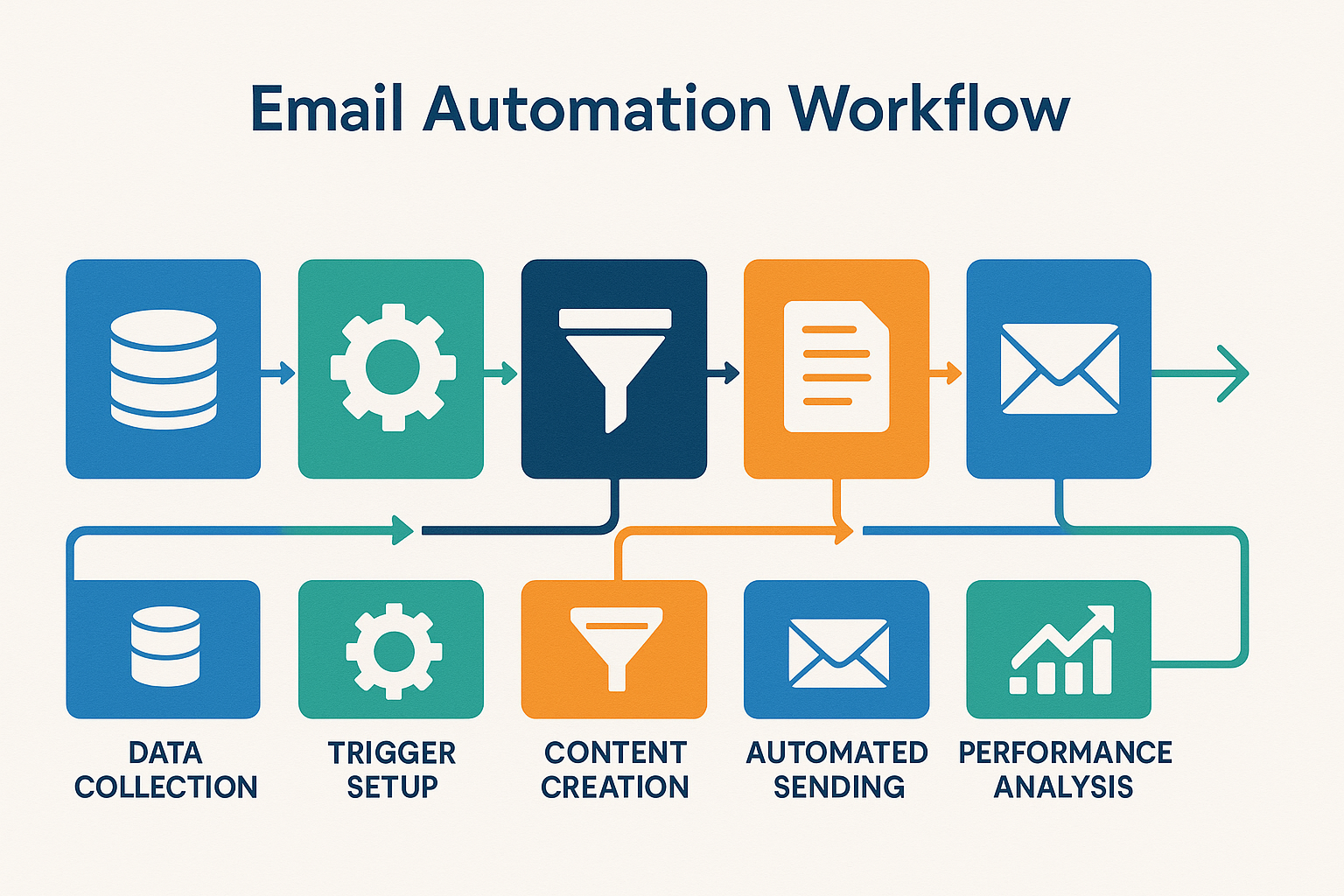
The welcome series is your retention engine. It should deliver the lead magnet immediately, then over the following week introduce your brand genuinely, share your most useful piece of content, demonstrate results or credibility, and make a soft offer. Every email needs to earn the right to the next one. If an email doesn't deliver value, a significant portion of subscribers will check out permanently. That's not recoverable through more traffic — it requires better content quality in the critical first week.
Measure your welcome series open rate and click rate at every email. Industry benchmarks: email 1 should hit 80-84% open rate. Email 3 should still be above 50%. By email 5, you'd expect 35-40%. If your numbers are significantly below these benchmarks, fix the welcome series before adding any more traffic to the top of the funnel. More subscribers won't fix a leaky retention problem. It just makes the leak more expensive.
The one metric that beats everything else: Revenue per subscriber. Track it monthly. Divide your total email-attributed revenue by your list size. If you're at $2 per subscriber per month, a 10,000-subscriber list is worth $20,000 per month. If you're at $0.20 per subscriber, the same 10,000 subscribers generates $2,000. The channel strategy gets you to 10,000. The content and offer strategy determines what those 10,000 subscribers are actually worth.