Small e-commerce brands that buy email lists — a practice many inherit from a previous marketing hire and never question — are increasingly finding out the hard way that it's a legal liability, not just a marketing shortcut. A GDPR inquiry from a supervisory authority, triggered by a single complaint from someone who never opted in, doesn't need to result in a fine to be expensive. Just demonstrating a legal basis for processing can take a lawyer, weeks of work, and enough billable hours to wipe out a quarter's marketing budget.
In 2026, first-party data isn't just a better marketing strategy. It's a legal necessity. And the brands treating it as optional are accumulating liability they don't know they have.
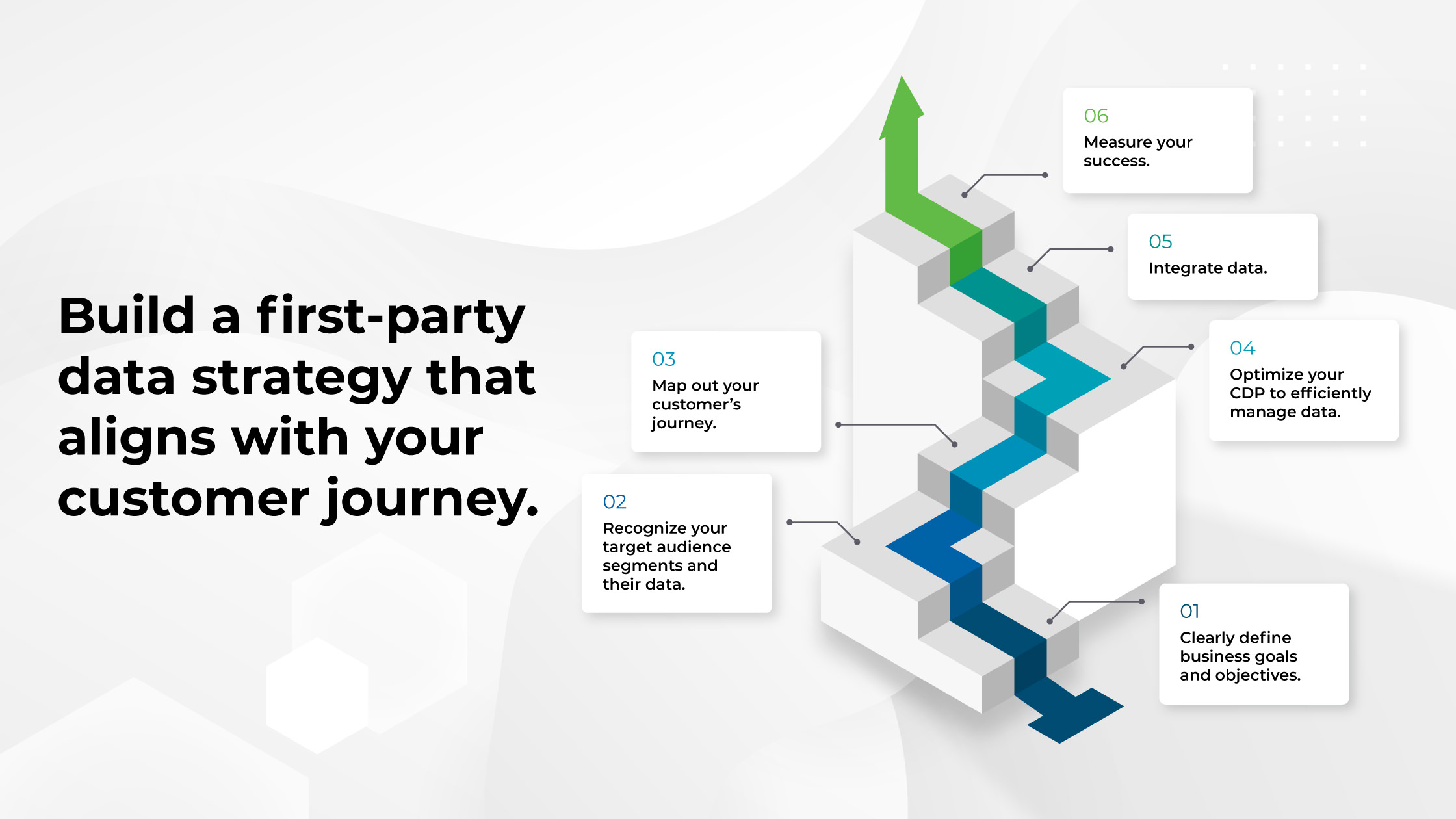
Here's the complete picture of what first-party data means for email marketing, what the law requires, and the collection strategies that actually work without crossing any lines.
What First-Party Data Actually Is
First-party data is information you collect directly from people who have willingly interacted with your business. Email addresses from newsletter sign-ups, purchase history from your store, quiz answers from an onboarding flow, preferences shared via a preference center, behavioral data from your own website. You own the relationship, the data was given to you voluntarily, and you have documented consent or a legitimate legal basis for using it.
Third-party data is everything else: purchased lists, data broker records, scraped contact databases, audiences rented from other platforms. In 2026, the regulatory environment has made third-party data for email marketing extremely risky. GDPR fines have reached a cumulative total of 7.1 billion euros since enforcement began, according to DLA Piper's January 2026 survey. California's CPPA approved a $2.75 million settlement with Disney in 2025, the largest CCPA fine to date. And over 20 US states now have comprehensive privacy laws in effect, each with their own requirements.
Third-party data is also simply less effective. Email lists purchased from brokers have low deliverability because recipients didn't ask to hear from you, spam complaint rates are high, and major email providers like Google and Microsoft are increasingly aggressive about filtering mail from senders with poor engagement histories. The business case for third-party data was already weak before the legal case got even weaker.
Privacy Law Landscape for Email Marketers in 2026
What GDPR and CCPA Actually Require for Email Marketing
I'm not a lawyer and nothing in this article is legal advice. But I can give you a practical overview of what the regulations require in terms that make sense for marketing operations. For anything specific to your situation, consult a privacy attorney.
🇪🇺 GDPR (EU/UK)
- Requires explicit, informed consent OR a legitimate interest basis before sending marketing emails
- Consent must be freely given, specific, unambiguous — pre-checked boxes don't count
- Must store proof of consent with timestamp and method
- Right to erasure: must delete data on request
- Must have a clear, easy unsubscribe in every email
- Max fine: €20 million or 4% of global annual turnover
🇺🇸 CCPA/CPRA (California)
- Uses opt-out model: can email until subscriber opts out
- Must disclose what data you collect and how you use it
- Right to know, delete, and correct personal data
- Cannot sell email data without disclosure
- 2026 rules require risk assessments for "significant risk" data processing
- B2B exemption expired in 2023 — business contacts now fully protected
The practical upshot for most email marketers: use explicit double opt-in for all new subscribers, maintain documented records of when and how consent was given, honor unsubscribes immediately, and never use third-party purchased lists. If you're operating in the EU, make sure your consent language is specific: "I agree to receive marketing emails from [Brand] about [specific topics]" is better than generic "I agree to the terms and privacy policy." Generic bundled consent doesn't satisfy GDPR.
The Five Most Effective First-Party Data Collection Methods
Knowing the legal requirements is one thing. Actually building a compliant, high-quality email list requires specific tactics. Here are the five that consistently generate the most engaged subscribers, not just the most subscribers.
1. High-value lead magnets with a clear value exchange
A lead magnet is an offer you give away for free in exchange for an email address. The key word is "high-value." A generic PDF checklist titled "10 Marketing Tips" isn't a lead magnet in 2026. It's noise. What works is hyper-specific, immediately useful content that solves a specific problem for your specific audience. A "Social Media Audit Template for Beauty Brands" is a lead magnet. "The 7-Day Email Sales Sequence Template with 47% Open Rate" is a lead magnet. The more specific the problem it solves, the higher the quality of subscriber it attracts, because only people who have that exact problem will sign up.
Tools like Kit (formerly ConvertKit) and Beehiiv make it straightforward to gate lead magnets behind a sign-up form with proper consent mechanics built in.
2. Quiz and assessment funnels
Quiz funnels are among the most effective first-party data collection tools available because they offer personalization that people genuinely want. "Find out which email automation workflow is right for your business" generates higher sign-up rates than a static lead magnet for the same audience, because the quiz promises a customized result rather than generic content. Tools like Typeform and Involve.me let you build quiz funnels that gate results behind an email capture, while collecting preference data that powers segmentation from the first interaction.
3. Preference centers at sign-up
Most businesses ask for just an email address at sign-up. A preference center asks for an email address plus a few qualifying questions: What topics are you most interested in? How often do you want to hear from us? Are you a beginner or experienced with this topic? This data, collected at the moment of highest engagement, lets you segment your list immediately and send relevant content from day one. It also demonstrates to subscribers that you're going to personalize their experience, which improves long-term engagement rates.
4. Purchase and post-interaction triggers
For e-commerce and service businesses, every customer transaction is a first-party data collection opportunity. Purchase history, product categories bought, support interactions, and repeat purchase frequency are all valuable data points for email segmentation. The key is to make sure your terms of service and privacy policy clearly state that you may use purchase data to personalize marketing communications — and that customers can opt out. This transparency satisfies legal requirements and, counterintuitively, tends to increase trust rather than decrease it.
5. Interactive website tools
Calculators, comparison tools, budget planners, and similar interactive website features generate email sign-ups at high conversion rates because they provide immediate value. A mortgage calculator that emails you a personalized summary. A "which plan is right for you?" selector that delivers a recommendation to your inbox. An ROI calculator that emails you the full analysis. Each of these collects an email address in the context of high user intent, with a clear and specific value exchange that satisfies both the user and the legal consent requirement.
How to Use First-Party Data for Email Segmentation
Collecting first-party data is only valuable if you actually use it to send more relevant email. Here's the segmentation structure that drives the best results from properly collected first-party data.
Segment by acquisition source first. Someone who signed up through a lead magnet about social media strategy has different interests and needs than someone who signed up during a product purchase. These segments should receive different welcome sequences that match the context of their sign-up. Sending the same generic welcome email to every subscriber wastes the lead magnet context that made them sign up in the first place.
Segment by engagement level on an ongoing basis. In your email platform, create dynamic segments: active (opened an email in the last 30 days), warm (opened in the last 60-90 days), cold (no opens in 90+ days). Your active segment gets your full content cadence. Your cold segment gets a re-engagement sequence, and anyone who doesn't re-engage within 60 days should be removed from your list. A clean, engaged list consistently outperforms a large, unengaged one on every metric, including deliverability, which affects whether your emails reach anyone at all.
Segment by behavior, not just demographics. Someone who clicked a link about email automation in three separate campaigns is interested in automation. Tag them. Someone who visited your pricing page twice without buying is a warm lead. Someone who bought once then went quiet for 90 days is a lapsed customer. Each of these behavioral signals, captured through proper email tracking and website analytics, enables segmentation that sends people the specific content or offer most likely to resonate with where they are in their relationship with your brand.
The Tech Stack That Makes This Compliant and Functional
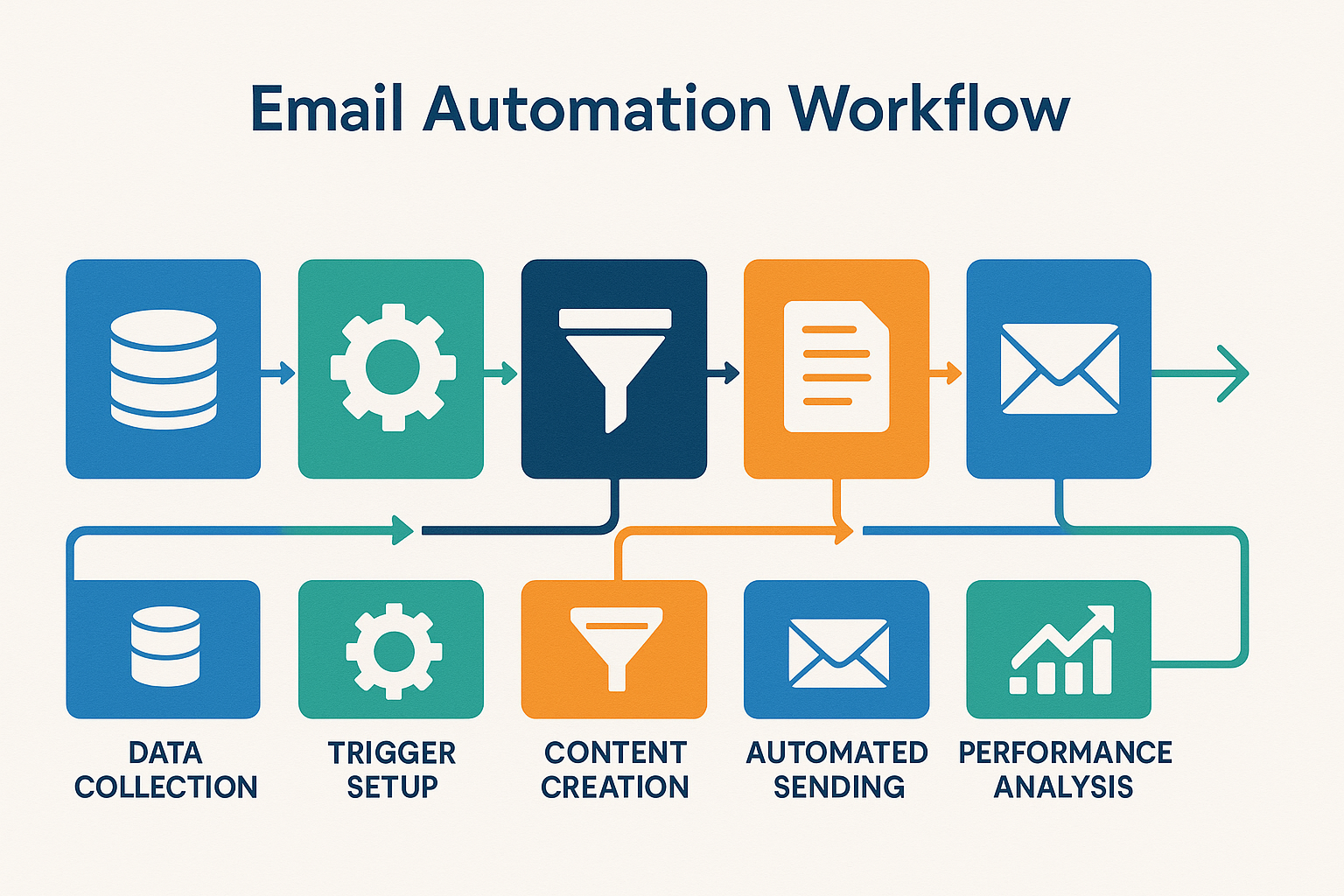
You don't need an enterprise marketing stack to do this compliantly. You need three things: an email platform with built-in consent management, a consent management platform (CMP) for your website, and a CRM or tagging system that lets you track behavioral data and segment accordingly.
For email platforms, Klaviyo has the strongest behavioral segmentation and compliance features for e-commerce. Kit is better for creator-led businesses and course sellers. Beehiiv is increasingly strong for newsletter-based businesses that want built-in monetization features. All three support double opt-in, consent timestamping, and GDPR-compliant subscriber management.
For CMP, tools like Usercentrics and Cookiebot handle the website cookie consent layer that's legally required for EU visitors. This isn't optional if you have any EU traffic — cookie-based tracking without consent violates GDPR's requirements around data processing transparency.
The investment in proper first-party data infrastructure pays back in ways beyond legal compliance. Subscribers acquired through consent-based, high-value mechanisms stay on lists longer, open more emails, click more often, and convert at higher rates than any purchased or scraped list ever will. The ROI of $36 to $42 per dollar spent that email marketing generates — it's built on engaged, opted-in lists. A list of uninterested people who didn't ask to hear from you will never deliver those returns, and in 2026, it's increasingly likely to deliver a regulatory inquiry instead.