It's the kind of problem more brands would love to have: organic Reels — unboxing clips and before/after content posted by actual customers, with zero production budget — consistently pulling a higher click-through rate than a brand's own polished paid ads, month after month. Rising CPMs, brutal creative fatigue, and a creative team burning through budget on video content consumers scroll past in two seconds, while a single unprompted customer unboxing video quietly accumulates hundreds of thousands of views with no boost and no paid promotion at all.
That gap is the story of UGC in 2026. The most expensive thing you can do in social media marketing is produce content that looks like marketing. The cheapest and often most effective thing you can do is build a system that turns your customers into your content team.
Here's the full picture of what UGC is, why it works at the numbers it does, and exactly how to build a strategy that actually generates it consistently rather than hoping your customers happen to post.
What the UGC Data Actually Says
User-generated content, any content about your brand created by customers, fans, or community members rather than your marketing team, has been outperforming brand-created content for years. But the 2026 numbers have pulled even further ahead.
UGC Performance Data 2026
That last stat is the opportunity. Only 16% of brands have a formal, documented UGC strategy. The vast majority are either ignoring UGC entirely, collecting it sporadically without a system, or reposting the occasional customer photo without understanding what they're sitting on. The brands that build systematic UGC programs in 2026 are operating with a structural cost and performance advantage that their competitors haven't matched yet.
Why UGC Outperforms Paid Ads: The Real Reason
The performance gap between UGC and brand-produced content isn't mysterious. It comes down to one thing: consumers have become extraordinarily good at recognizing and tuning out advertising aesthetics. The polished lighting, the brand spokesperson hitting their marks, the careful product placement, all of it signals "this is trying to sell me something" within the first half-second of viewing. And once that signal fires, the skip behavior is automatic.
UGC looks different. It has the visual grammar of organic content: imperfect lighting, a real person talking naturally, an honest moment of product use that wasn't staged. That visual grammar triggers a different cognitive response. It reads as a recommendation from a real person, which is exactly what 92% of consumers say they trust more than advertising.
The 9.8x impact advantage of UGC over influencer content is the other data point worth dwelling on. This surprises people because influencer marketing has been growing rapidly and commands enormous budgets. But consumers have largely learned that influencer posts are paid partnerships, even when disclosed subtly. A genuine customer review video or unboxing carries more purchase intent weight than a #ad from an influencer with a million followers, because the customer has no financial incentive to say positive things.
The Four Types of UGC That Drive Results in 2026
Video Reviews
Unboxings, tutorials, before/afters. Generate 6x more engagement than branded video. Best for product-heavy brands.
Written Reviews
Reviews rank #1 for purchase influence at 78% consumer preference. Best for landing pages and email.
Customer Photos
81% more impactful than professional shots per e-commerce marketers. Best for product pages and ads.
Social Mentions
Story reposts, tagged posts, brand hashtags. Best for feed content and brand awareness ads.
Q&As and Forums
Customer Q&As rank #2 at 77% influence score. Best for product pages and FAQ sections.
Challenge Content
Branded hashtag challenges and contests. Best for awareness campaigns and viral growth plays.
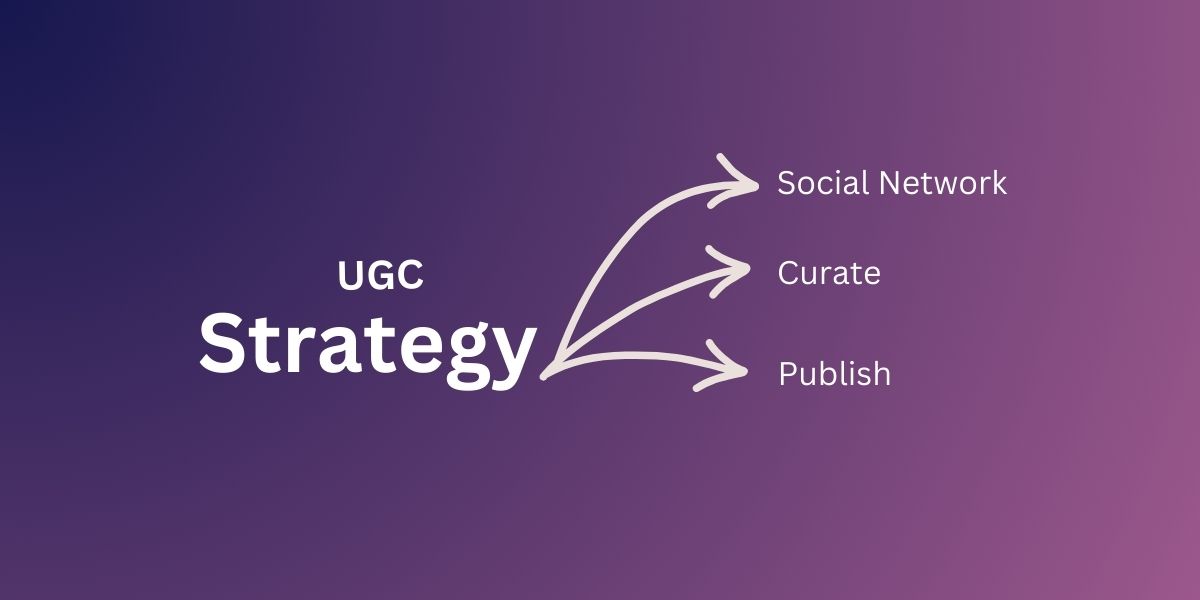
Building a Systematic UGC Engine
The brands winning at UGC in 2026 aren't winning because they got lucky with a viral post. They've built systems that reliably generate a continuous stream of customer content that they can repurpose across every channel. Here's how those systems work.
Step 1: Create the conditions for UGC before asking for it
Most brands try to generate UGC by adding a hashtag to their bio or running a contest. Those tactics produce a spike, then nothing. The brands with consistent UGC have built experiences worth talking about. That starts with packaging that people want to photograph, a product delivery experience that creates a genuine moment, community spaces where customers naturally discuss the product, and customer service that turns complaints into advocates rather than silent detractors.
The skincare brand I mentioned at the start redesigned their unboxing experience 18 months ago: better packaging, a handwritten note in every order, and a small gift sample chosen based on what the customer purchased. Their organic social mentions went up 340% over the following six months. Nothing about that was a content strategy. It was a customer experience strategy that produced content as a natural byproduct.
Step 2: Build a simple ask mechanism
Once you've created experiences worth talking about, you need a frictionless way to request content. The most effective mechanisms I've seen: a post-purchase email sent seven days after delivery (when the customer has actually used the product) asking for a photo or video review with a clear hashtag; a loyalty program point system that rewards social posts and reviews; and a transactional insert in the physical packaging with a QR code linking to the review or content submission page.
The key is timing and low friction. Asking immediately at checkout produces the lowest response because the customer hasn't experienced the product yet. Seven to fourteen days post-delivery, when positive sentiment is highest, produces significantly more genuine content. And the easier you make it to submit, the more you'll receive. Remove every step you can from the process.
Step 3: Collect and organize before you distribute
This is where most brands fall apart. Customer content comes in across Instagram tags, TikTok mentions, product reviews, emails, and random DMs. Without a collection system, most of it gets missed. Tools like Archive (which tracks 400% more tagged content than manual monitoring), Yotpo, and Bazaarvoice automate UGC collection and organize it by format, quality, and sentiment. Traditional manual monitoring misses approximately 30% of tagged content, which means you're leaving free marketing assets uncollected every day.
Step 4: Get proper rights and permissions
This step gets skipped constantly and creates real legal exposure. Before you use any customer content in paid advertising, on your product pages, or in email campaigns, you need explicit permission from the creator. The simplest method: comment on the post publicly saying "We love this! Can we feature it on our page? DM us for details." Direct message them with a clear, simple rights agreement. Many UGC platforms have this rights request workflow automated.
Reposting to your Instagram Story with credit is generally considered acceptable under most platform terms, but for paid ads and commercial use, explicit written permission is non-negotiable. Getting this right protects you and builds trust with your creators, who become more willing to create content again when they feel respected.
Step 5: Use UGC in paid ads, not just organic posts
This is where the 4x CTR advantage and 50% lower CPC materialize. Running UGC as paid ad creative, particularly on Facebook and Instagram, outperforms polished brand creative in the vast majority of tests I've seen. The format looks native to the feed. Users don't immediately identify it as an ad. The authentic testimonial voice lands differently than a brand voice.
The most effective UGC ad format right now is a short video review (15-30 seconds) with a hook in the first two seconds, an honest problem statement, a product result, and a clear CTA. No logo bugs, no branded end cards, no music that makes it feel like a commercial. Raw, honest, real. A/B test UGC creative against your studio-produced content in the same campaign. In my experience, UGC wins about 70% of the time, and wins by margins that shift entire budget allocations.
The Paid UGC Creator Alternative
If you're launching a new product or haven't yet built a customer base big enough to generate organic UGC, paid UGC creators are a legitimate bridge strategy. Paid UGC means hiring creators, typically micro-influencers or dedicated UGC-only creators, to produce authentic-looking content about your product in exchange for payment, but with the explicit intent of using that content as ad creative rather than their own organic posts.
This is different from influencer marketing. Paid UGC creators don't post to their own audiences. They create content that looks authentic and you run it as your ads. Platforms like Billo and Insense connect brands with UGC creators who specialize in this format. Costs typically range from $50 to $200 per video clip, which is dramatically cheaper than a production shoot and often performs better in actual ad testing.
The caveat: paid UGC doesn't have the same trust signal as genuine customer content. It performs better than polished brand ads because it looks native, but it doesn't match the conversion power of a real customer's unsolicited positive review. Use paid UGC as a volume strategy for ad creative while you build the systems to generate real organic UGC over time.
What UGC Won't Fix
I want to be direct about the limitations because UGC marketing gets oversold. UGC cannot fix a product that genuinely disappoints customers. If your reviews are mixed or negative, more UGC just amplifies the problem. UGC is a trust amplifier, not a trust creator. The trust has to start with the product experience.
UGC also doesn't replace your content team. You still need branded content for awareness campaigns, for launches, and for communicating brand values and positioning. The winning brands in 2026 are running a content mix: roughly 60% UGC and customer content, 40% brand-produced content. They're not going 100% UGC and they're not ignoring it.
The 16% of brands with formal UGC strategies are winning right now because the barrier to getting started is genuinely low. You don't need new platforms, new tools, or new budget. You need a consistent ask mechanism, a collection system, and the discipline to run the content you receive as paid creative. That's a week of setup work to get a system running that compounds in value for years.
The counterintuitive insight: The best UGC strategy is primarily a customer experience strategy, not a content strategy. Brands that obsess over making their product experience remarkable, their packaging memorable, and their community welcoming naturally generate more UGC than brands that run UGC campaigns. Design the experience first. The content follows.