It's an increasingly common trajectory for small makers: two years on Etsy clearing a few hundred dollars a month after fees, barely covering materials, followed by a switch to TikTok Shop that starts slow — often close to nothing in the first two months — before clicking once the content shifts from polished product shots to raw, real studio process footage. No website, no Shopify store, no email list required. The product doesn't change. The price points don't change. The distribution channel changes entirely, and for a growing number of sellers, that's enough to replace a full-time income.
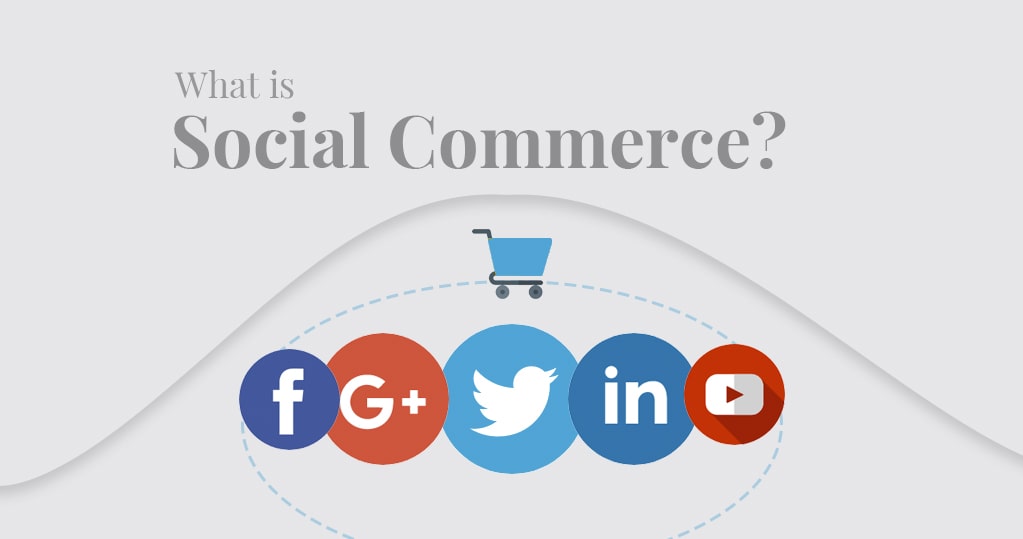
That kind of story isn't exceptional anymore. US social commerce hit $100.99 billion in 2026, up 48% year-over-year according to eMarketer. That's roughly 10% of total US e-commerce happening entirely inside social media platforms. The global market is sitting at $2.1 trillion. And the most important structural fact about social commerce in 2026 is that you genuinely don't need a website to participate in it effectively.
The Social Commerce Landscape: Which Platforms Convert Best
US Social Commerce 2026 Key Numbers
| Platform | Conversion Rate | Best For | Average Order Value |
|---|---|---|---|
| TikTok Shop | 4.7% | Impulse products, Gen Z, mass market | $59 |
| 3.2% | Home, fashion, lifestyle, high-intent planners | Higher than peers | |
| Instagram Shopping | 2.1% | Visual products, brand-driven, millennial | Higher than TikTok |
| Facebook Shops | 1.8% | Broad demographics, retargeting, local products | Varies |
TikTok Shop leads in conversion rate not by a small margin. A 4.7% conversion rate is better than many traditional e-commerce websites, and it's achieved entirely through in-app discovery and checkout. The mechanism is straightforward: TikTok's algorithm surfaces product videos to users who have shown interest in similar categories. When a user sees a product being demonstrated by a creator they enjoy, the path from watch to purchase is a single tap. No new tab, no separate site, no checkout friction. That frictionlessness is why TikTok Shop's conversion advantage is so structural.
Getting Started on TikTok Shop
TikTok Shop is the most compelling social commerce platform for most product sellers in 2026, particularly for physical products under $100 that can be demonstrated in 30-60 seconds of video. Here's how it actually works.
You set up a TikTok Shop seller account at shop.tiktok.com. The process takes about 48 hours for approval and requires a US business registration, government ID, and bank account. You upload your product catalog with photos, descriptions, prices, and shipping details. Then you have two distribution options: you can sell directly through your own TikTok account's product links in videos and Lives, or you can enroll in TikTok Shop's Affiliate Program and let other creators promote your products in exchange for a commission you set.
The affiliate program is where most of the volume happens. You don't need a large following to succeed on TikTok Shop if you're using affiliates. Brands with 200 TikTok followers have generated $50,000+ in monthly sales by recruiting micro-creators with 10,000 to 100,000 followers, giving them product samples and setting a 10-20% commission. The creator makes their video, links the product, and when someone buys through their link, you both get paid. TikTok handles all the tracking and payout automatically.
The content that converts best on TikTok Shop in 2026: authentic product demonstrations that show a real problem being solved, before/after results content, and creator reviews that feel spontaneous rather than scripted. TikTok is actually restricting fully AI-generated product videos without creator attribution, which means the authentic-looking content advantage is being actively enforced at a platform level.
Instagram Shopping: The Visual Commerce Channel
Instagram Shopping has a lower conversion rate than TikTok Shop, but it reaches a different buyer: older, higher-income, and with larger average order values. For premium products, fashion, beauty, home decor, and anything where the buying decision is aesthetics-driven, Instagram Shopping is the better fit.
Setup requires a Meta Commerce account connected to a product catalog, either through Shopify, WooCommerce, or Meta's own catalog manager. Once approved, you can tag products in feed posts, Reels, Stories, and Live broadcasts. Instagram's checkout feature (available in the US) lets users complete purchases entirely within the app.
The most effective Instagram Shopping content tags products during natural-looking use. A fashion creator wearing an outfit and tagging each piece. A home designer styling a room with tagged product links. The tag should feel like a helpful annotation on content the creator would have published anyway, not an afterthought added to convert viewers. The difference in engagement and click-through between integrated and tacked-on product tags is substantial.
For brands without a following, Meta's paid shopping ads can drive product discovery directly into the shopping tab. Instagram Shopping ads, particularly carousel and Collection formats that lead directly to tagged product pages, consistently outperform traditional link-click ads for e-commerce because the purchase intent is captured at the point of inspiration rather than after a redirect to an external site.
Pinterest: The Underestimated Commerce Platform
Pinterest gets treated as an afterthought by most digital marketers focused on TikTok and Instagram. That's a mistake, and the conversion data makes it obvious. Pinterest's 3.2% conversion rate on Buyable Pins exceeds Instagram Shopping. More importantly, 93% of weekly Pinterest users actively use the platform to plan purchases. That shopping intent is structurally higher than any other social platform.
Pinterest shoppers spend 2 times more per month than shoppers on other platforms, and 85% of weekly Pinners have purchased based on a brand's Pin at some point. For products in home, fashion, beauty, food, and lifestyle categories, Pinterest drives purchase decisions at a rate that its relatively modest daily active user numbers don't suggest at first glance.
Pinterest's longevity advantage is also worth noting. A Pin from three years ago can still be driving traffic and purchases today because Pinterest's algorithm surfaces older content for planning searches that aren't time-sensitive. "Living room renovation ideas" surfaces Pins from across years, not just the last 48 hours. For product categories like furniture, kitchen equipment, beauty routines, and fashion styling, Pinterest content compounds in value over years in a way that TikTok content never will.
Getting set up on Pinterest Shops requires a Verified Merchant account, a product catalog feed (Shopify integrates directly), and Rich Pins enabled. Products uploaded to Pinterest Shopping appear in search results and the Shop tab, and can be tagged in organic Pins. For most product categories, Pinterest Shopping setup takes a weekend and immediately places your products in front of users who are actively searching for things to buy in your category.
The Live Commerce Opportunity That Most Brands Are Ignoring
Live commerce, live video selling directly on social platforms with real-time product links, converts at 10 times the rate of traditional product pages according to 2026 data. That figure comes from China's live commerce market, which is already at $350 billion, and is increasingly being validated in US markets as platforms mature their live shopping infrastructure.
TikTok LIVE Shopping is the most developed live commerce option in the US market. Sellers can go live, demonstrate products in real time, answer questions, and drive purchases through links pinned in the stream. The urgency mechanics of live commerce, limited quantities, time-sensitive offers, real-time social proof from other viewers buying, create a conversion environment that recorded video can't replicate.
Instagram Live Shopping has the same capability and is valuable for brands with existing Instagram audiences. Pinterest TV is still developing but exists as an emerging live commerce channel for lifestyle categories. The brands getting in now are establishing format expertise before live commerce becomes mainstream in the US market.
Which Platform Should You Start With?
My honest recommendation depends on what you're selling and who you're selling to. If you have a physical product under $100 with a strong visual demonstration angle and you want the fastest path to revenue, start with TikTok Shop. The conversion rate is highest, the affiliate creator ecosystem is mature, and the barrier to entry is low. If you sell premium products to 25-45 year olds and your brand is visually strong, start with Instagram Shopping. If you're in home, fashion, food, or lifestyle and your products are aspirational rather than impulse, add Pinterest as a secondary channel to your TikTok or Instagram presence.
The key principle is that social commerce requires you to think about content and commerce as a single workflow, not as separate tracks. Your product videos are your ad. Your creator partnerships are your sales team. Your platform setup is your storefront. When those three things work together, social commerce can generate revenue that traditional e-commerce websites take years to build.
The honest caveat: Social commerce works best for physical products with visual appeal. Service businesses, B2B products, high-consideration purchases above $500, and anything requiring lengthy evaluation don't convert well in the social commerce format. Know your product's fit with the format before investing heavily in the infrastructure.