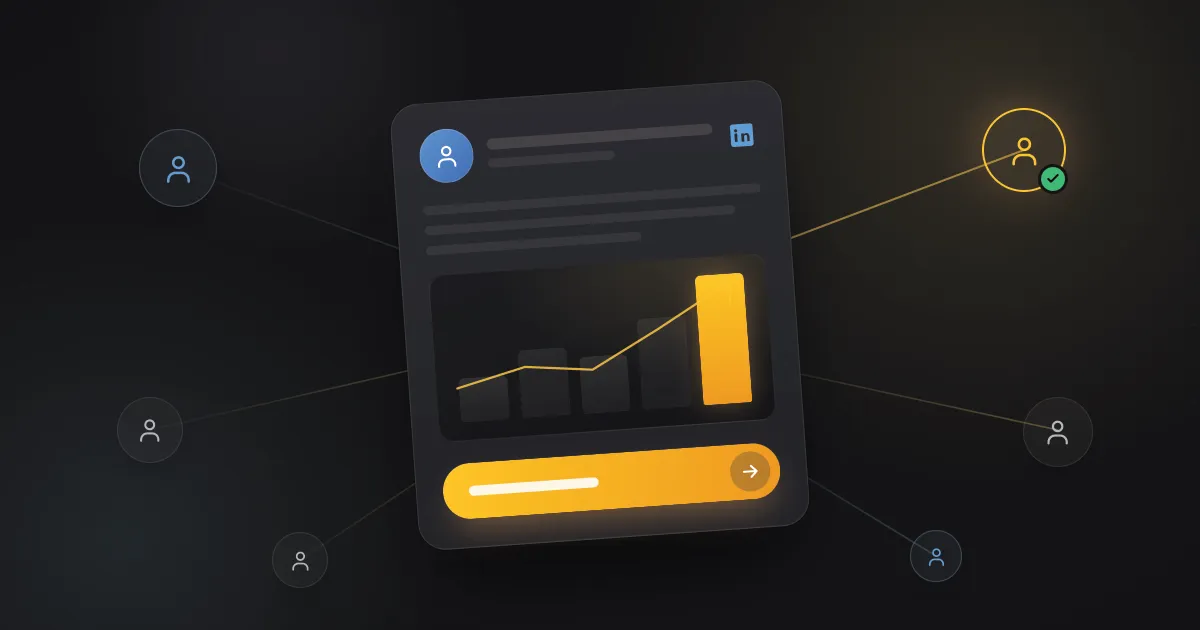
LinkedIn Ads cost more per click than almost any other paid platform, and every B2B marketer's first reaction to the CPCs is the same: sticker shock. Then they run a Meta or Google campaign targeting the same job titles, generate a pile of leads that never convert to a sales call, and come back to LinkedIn understanding why the price is what it is. LinkedIn isn't expensive because the platform is greedy. It's expensive because it's the only major ad platform where professional targeting data, job title, seniority, company size, industry, is native and self reported, not inferred from browsing behavior.
LinkedIn Ads Benchmarks (2026)
Reported figures vary meaningfully by source, format, and industry. CPC estimates across recent 2026 benchmark reports range from roughly $4.50 up to $12 plus for standard Sponsored Content, with legal and financial services at the top end and education or nonprofit verticals at the bottom. The right question isn't "is LinkedIn expensive." It's whether the leads that come from accurate professional targeting close at a high enough rate to justify the CPC. For B2B companies selling to a specific job title, seniority level, or company size, they usually do. For B2C or low ticket B2B products, LinkedIn is usually the wrong platform entirely, and that mismatch is the most common reason companies write it off after one disappointing test campaign.
Campaign Objectives and Formats That Actually Convert for B2B
LinkedIn offers several ad formats, and picking the wrong one for your funnel stage wastes budget fast. Sponsored Content (native feed posts) works best for top of funnel awareness and thought leadership. Message Ads (formerly Sponsored InMail) work well for direct offers to a narrow, high value target list, demo requests, event invites, but degrade quickly in performance if overused on the same audience. Lead Gen Forms, which pre fill LinkedIn profile data into a form without leaving the platform, consistently produce the highest form completion rates of any format. Several 2026 benchmark reports put the gap at 3 to 5 times an off platform landing page, largely because pre filled fields and staying on platform cut drop off dramatically.
The format that changed the most heading into 2026 is Thought Leader Ads, boosted posts that run from an individual employee's personal profile rather than the company page. Multiple 2026 benchmark datasets show Thought Leader Ads delivering dramatically lower CPCs and higher engagement than standard single image Sponsored Content, sometimes by a wide margin, because they read as native, personal content in the feed rather than an obvious ad. If your team hasn't tested TLAs yet, they're arguably the single highest leverage format update on the platform this year, and they're still underused by most B2B accounts pouring the majority of budget into single image ads out of habit.
For most B2B companies starting out, the right sequence is: Sponsored Content and Thought Leader Ads to build initial audience familiarity and retargeting pools, followed by Lead Gen Forms targeted at warmer audiences (website visitors, video viewers, engaged followers) once you have enough retargeting volume to make it efficient.
Targeting Without Wasting Budget on the Wrong Titles
LinkedIn's targeting depth is its core value and its easiest way to burn budget. Job title targeting alone is unreliable. Titles vary wildly between companies (a "VP of Marketing" at a 20 person startup has a very different budget and authority than the same title at a 5,000 person enterprise). Combine job title or job function with seniority level and company size for meaningfully tighter, more predictable targeting. Seniority is also a bigger cost driver than most marketers assume: the same ad shown to a "Director or above" audience commonly runs well over double the CPC of the identical ad shown to individual contributors, since the auction prices in decision making authority directly.
Targeting layer that outperforms title alone: Job function plus seniority (Manager and above) plus company size band, stacked together, consistently outperforms job title only targeting on cost per qualified lead, because it filters out the enormous variance in what a given title actually means across company sizes.
Matched Audiences, LinkedIn's retargeting and lookalike tooling built from your CRM data or website visitors, is where the platform earns its cost. Upload your closed won customer list as a source audience and build a lookalike from it rather than targeting cold demographic criteria alone. This is consistently the highest converting audience type on the platform for companies with at least a few hundred closed deals to build the source list from.
Common Mistakes That Quietly Waste Budget
A handful of setup mistakes account for most of the wasted LinkedIn spend seen across B2B accounts. Running the same creative for months without refreshing it lets ad fatigue set in; LinkedIn recommends new creative roughly every two weeks for active campaigns, and CTR decay after that point is measurable. Sending all traffic to a generic homepage instead of an offer specific landing page cuts conversion rates dramatically, since LinkedIn's audience arrives with a specific expectation set by the ad they clicked. And stacking too many targeting facets into one audience (job title plus seniority plus company size plus industry plus skills) can shrink the addressable audience so far that the campaign never leaves the learning phase, since there simply aren't enough people in the pool to gather sufficient signal.
Another common mistake is judging a campaign's performance too early. LinkedIn's algorithm needs real volume to calibrate, and pausing or restructuring a campaign after three or four days of soft results almost always resets the learning period rather than fixing the underlying issue. Give a properly structured campaign at least two full weeks before making structural changes, and change one variable at a time so you can actually attribute the result.
Budget, Bidding, and the Learning Period
LinkedIn's algorithm needs volume to optimize, and B2B budgets are frequently too thin to get there. As a rule of thumb, budget for at least 30 to 50 conversions (form fills, not just clicks) per month per campaign before expecting automated bidding to perform reliably. Under that volume, manual bid caps with close daily monitoring outperform letting the algorithm optimize on insufficient data. LinkedIn's own Predictive Audiences and automated bidding tools now power a significant and growing share of Sponsored Content spend, and 2026 benchmark data shows AI managed campaigns outperforming manual Cost Cap or Manual CPC bidding by a meaningful margin on cost per lead once they have enough conversion history to learn from.
Start with Cost Cap or manual bidding rather than Maximum Delivery for your first few weeks on a new campaign. Maximum Delivery spends your full budget as fast as possible to chase volume, which on a platform this expensive per click can burn through a month's budget in days without the data to show whether it's working. Once you have 30 to 50 conversions of history, switching to automated bidding with a target cost per result becomes meaningfully more efficient.
Measuring Pipeline, Not Just Clicks
The most expensive mistake in LinkedIn Ads reporting is optimizing toward form fill volume instead of pipeline. A campaign generating cheap leads that never book a call is worse than a campaign generating fewer, more expensive leads that close, but LinkedIn's native reporting only shows you the first half of that picture. B2B attribution research consistently shows deal cycles running for months and involving dozens of touchpoints across several channels before a first LinkedIn ad impression ever becomes revenue, which means short window, click based measurement systematically underestimates the channel's real influence.
Push lead data into your CRM with UTM parameters and campaign IDs intact, and build a closed loop report that connects LinkedIn campaign and ad set back to pipeline value and closed revenue, not just lead count. Review this monthly, not weekly. B2B sales cycles are long enough that weekly optimization on lead volume alone will consistently mislead you about which campaigns are actually working.
Frequently Asked Questions
Why is LinkedIn Ads so expensive compared to Meta or Google?
LinkedIn's professional targeting data, job title, seniority, company size, industry, is native and self reported rather than inferred from browsing behavior, which makes it the most accurate B2B targeting available on any major ad platform. That accuracy is what the higher CPC pays for, and it's typically worth it for companies selling to a specific job title or company size.
What are Thought Leader Ads and are they worth using?
Thought Leader Ads are boosted posts run from an individual employee's personal profile rather than the company page. 2026 benchmark data consistently shows them delivering significantly lower CPCs and higher engagement than standard single image Sponsored Content, largely because they read as native personal content rather than an obvious ad. They're one of the most underused high leverage formats on the platform right now.
How much budget do I need to test LinkedIn Ads?
Budget for at least 30 to 50 conversions (form fills) per month per campaign before expecting reliable performance data. At typical B2B lead costs, that generally means a minimum test budget in the low thousands of dollars per month to get a statistically meaningful read within 60 to 90 days.